Sichuan Jinshan Rose Technology Co., Ltd.
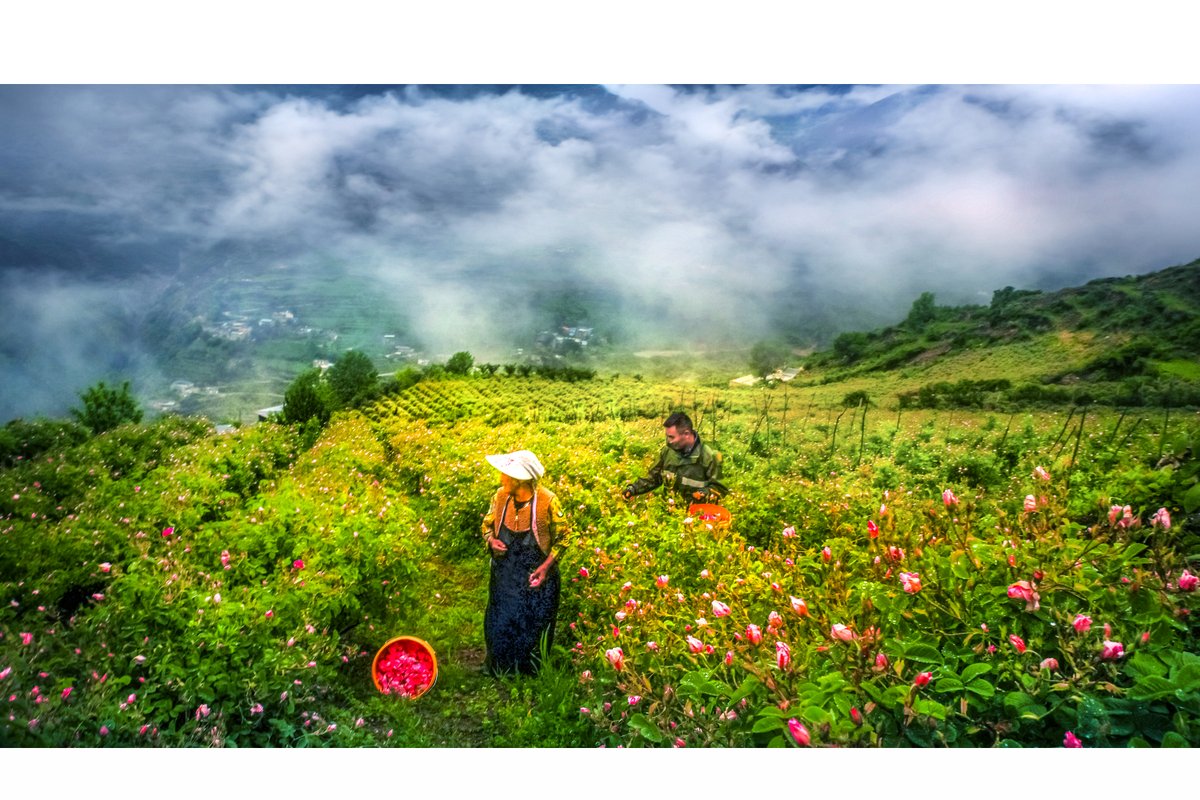
Located within the Mt. Siguniang Geopark at 2,650m altitude with exceptional natural conditions.
"Xiaojin Rose" awarded China National Geographical Indication certification in 2019.No. 27766035 · Class 31 · Registered: 2019-03-07
Dual organic certification for rose cultivation and processing.Cultivation: 1150P1902397 · Processing: 1150P2200745 · Beijing Wuzhou Hengtong Certification Co., Ltd.
Successfully exported rose essential oil to Bulgaria in 2023, entering the international market.
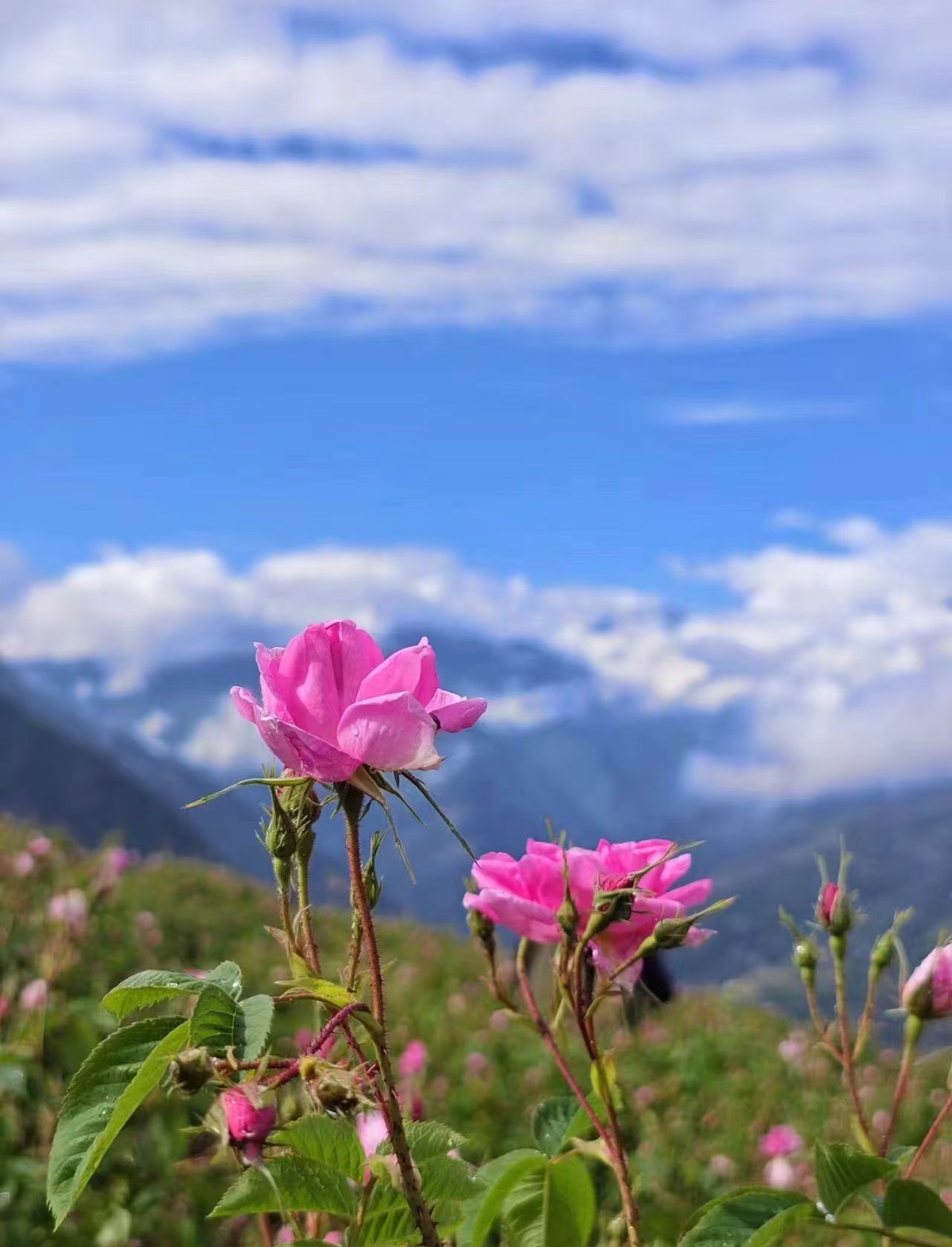
Planted on mid- and high-slopes of Jiajin Mountains within the Hengduan Mountains, altitude ensures exceptional quality.
2,240 hours of annual sunlight fully satisfies the Damascus rose's love for sunshine.
Large day-night temperature differences produce large blooms, thick petals, rich fragrance and high essential oil content.
Snow-melt glacial water and mountain springs irrigate the roses — naturally clean.
Few pests at high altitude; traditional farming with organic manure. Dual organic certification achieved.
Primarily tourism, agriculture and animal husbandry — far from industrial pollution with healthy ecology.
Core Product
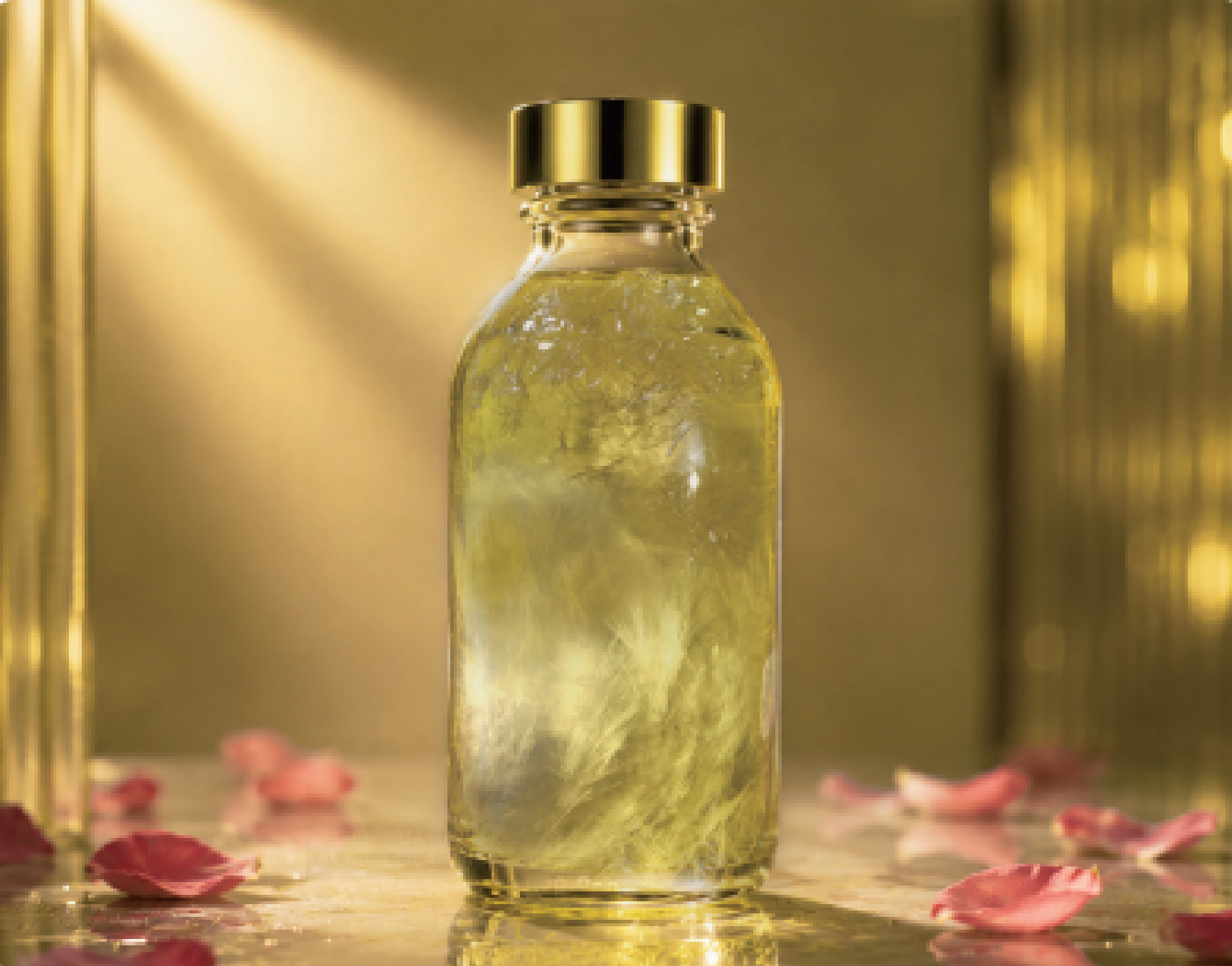
Export-grade single essential oil extracted from dawn-picked Damascus roses. A widely favored classic rose scent.
Best Seller
Volatile oil content of 0.36g/L or higher. No chemical additives. Suitable for compress and daily skincare.
Classic Product
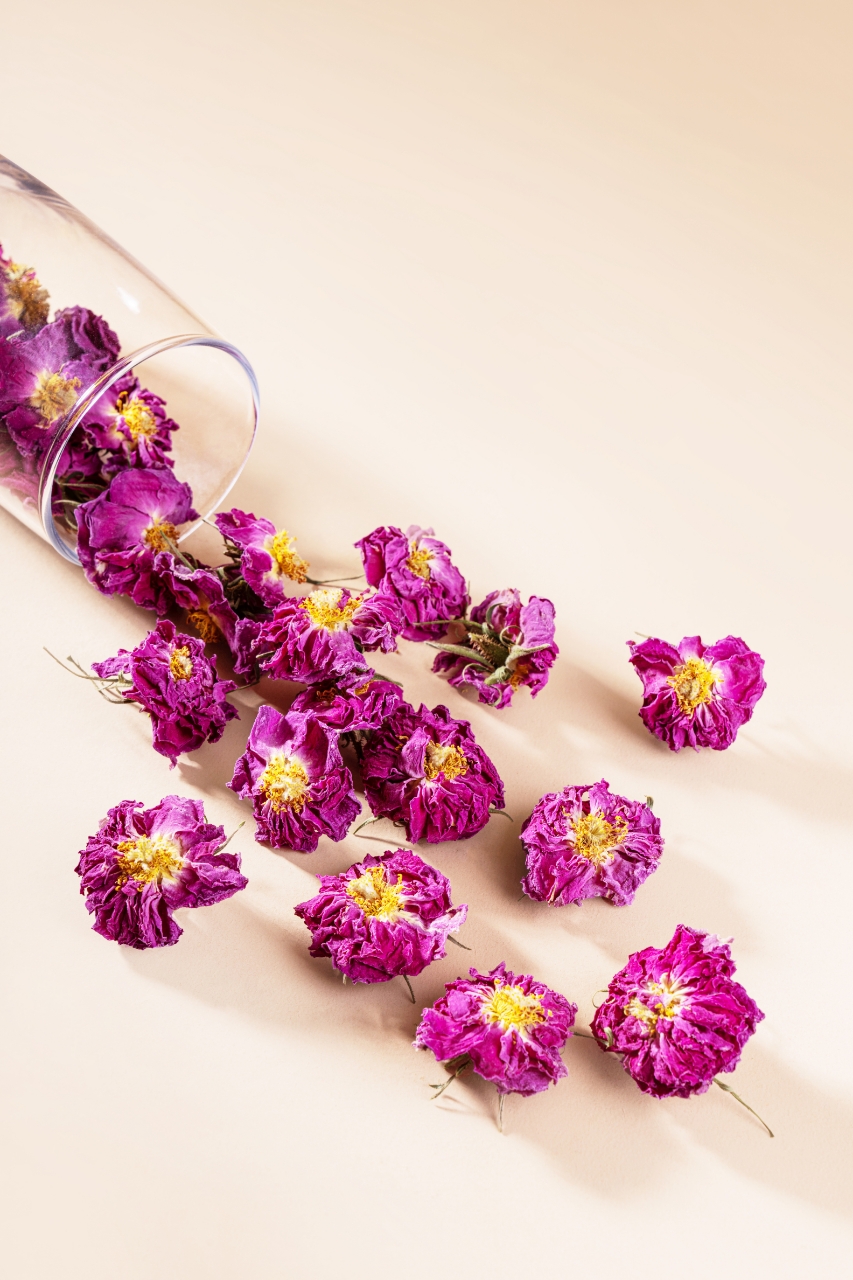
Handpicked semi-open buds, slow-dried at low temperatures for 20 hours. Large, plump blooms yielding a golden honey-like infusion.
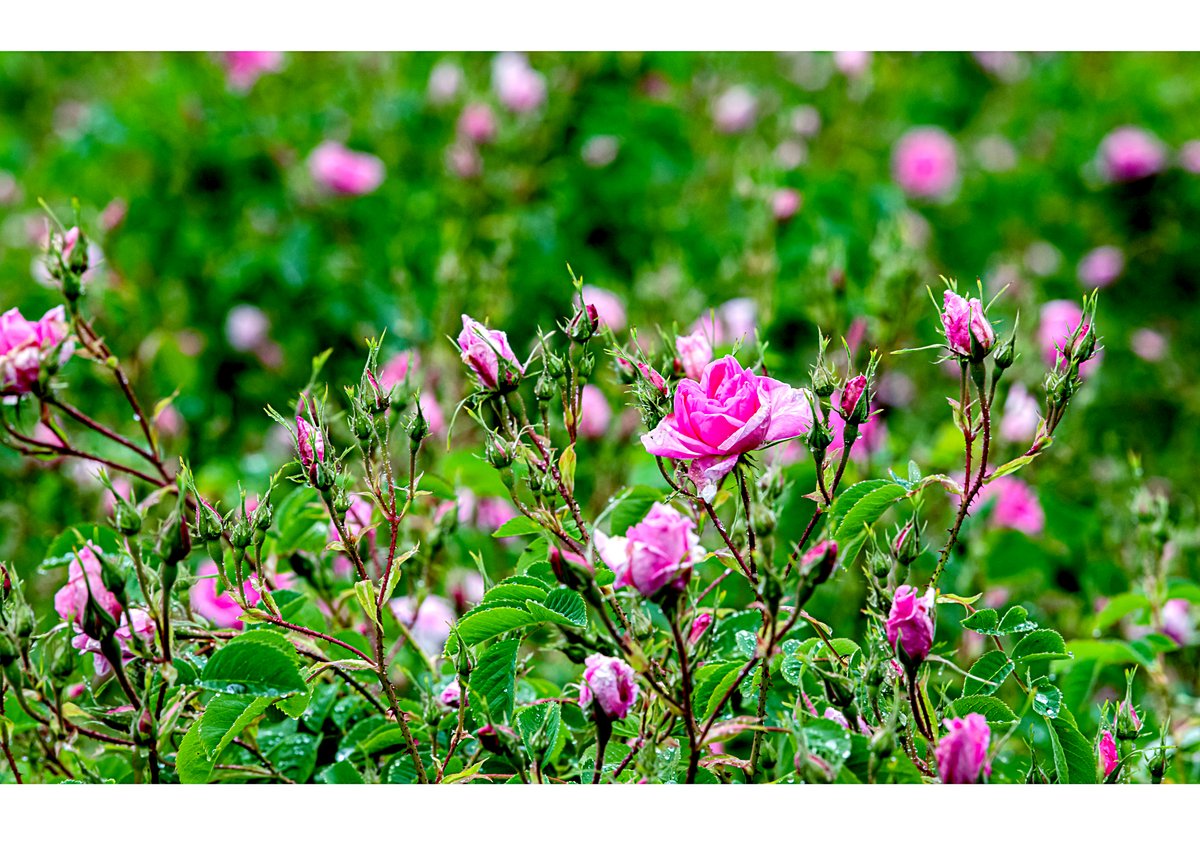
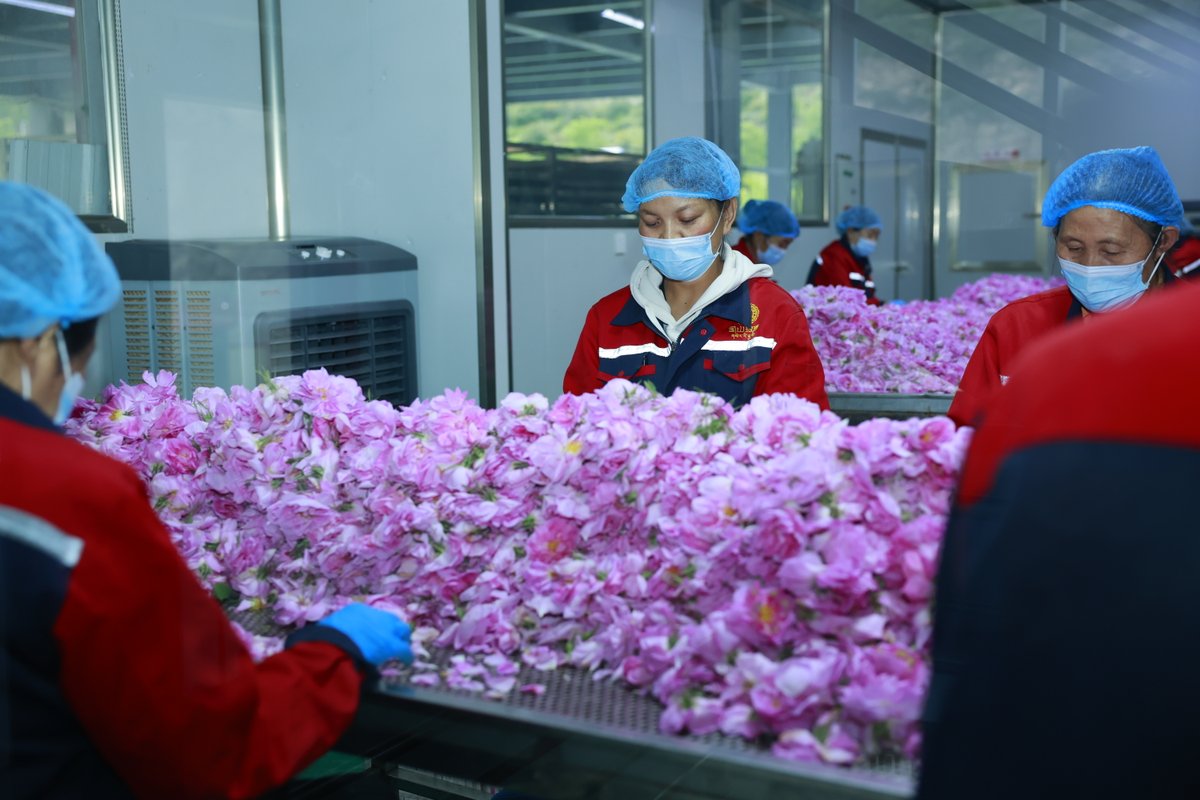
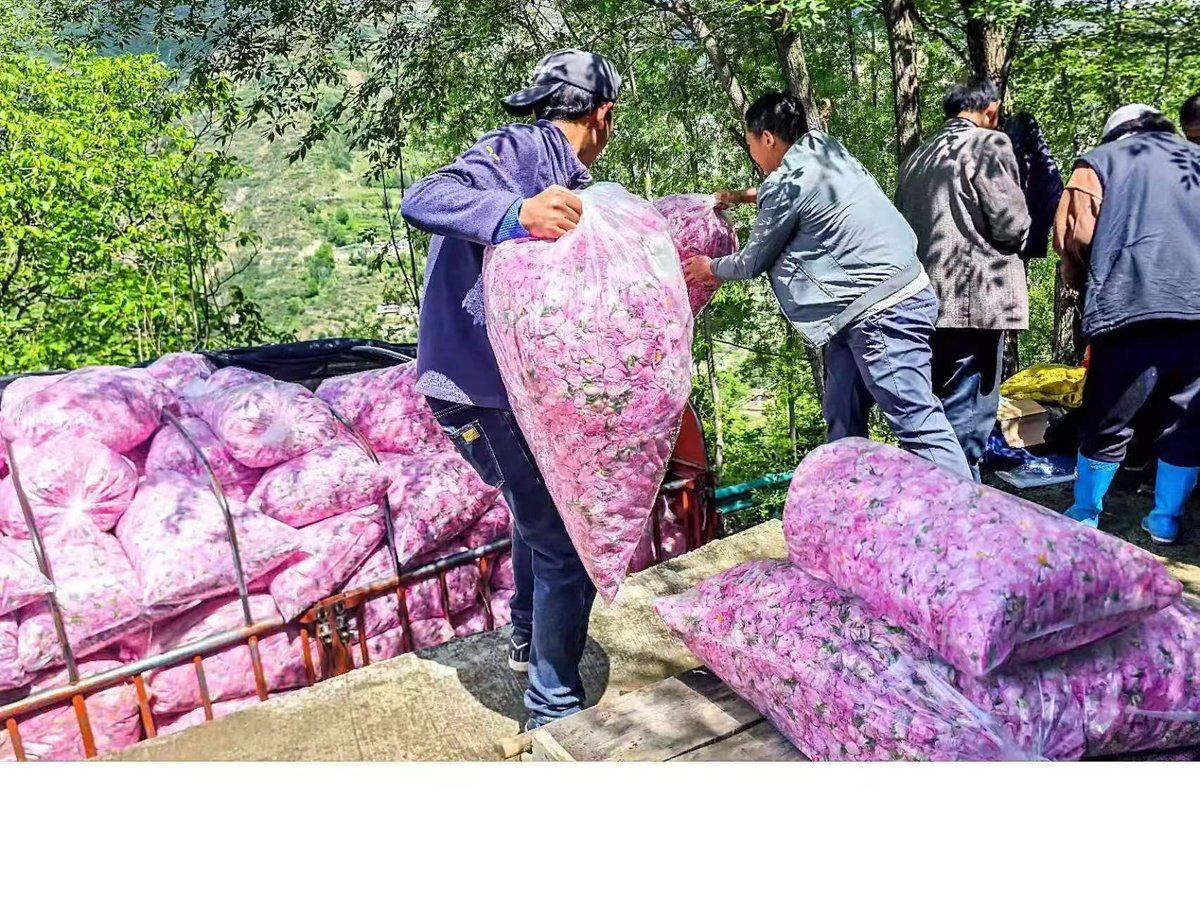
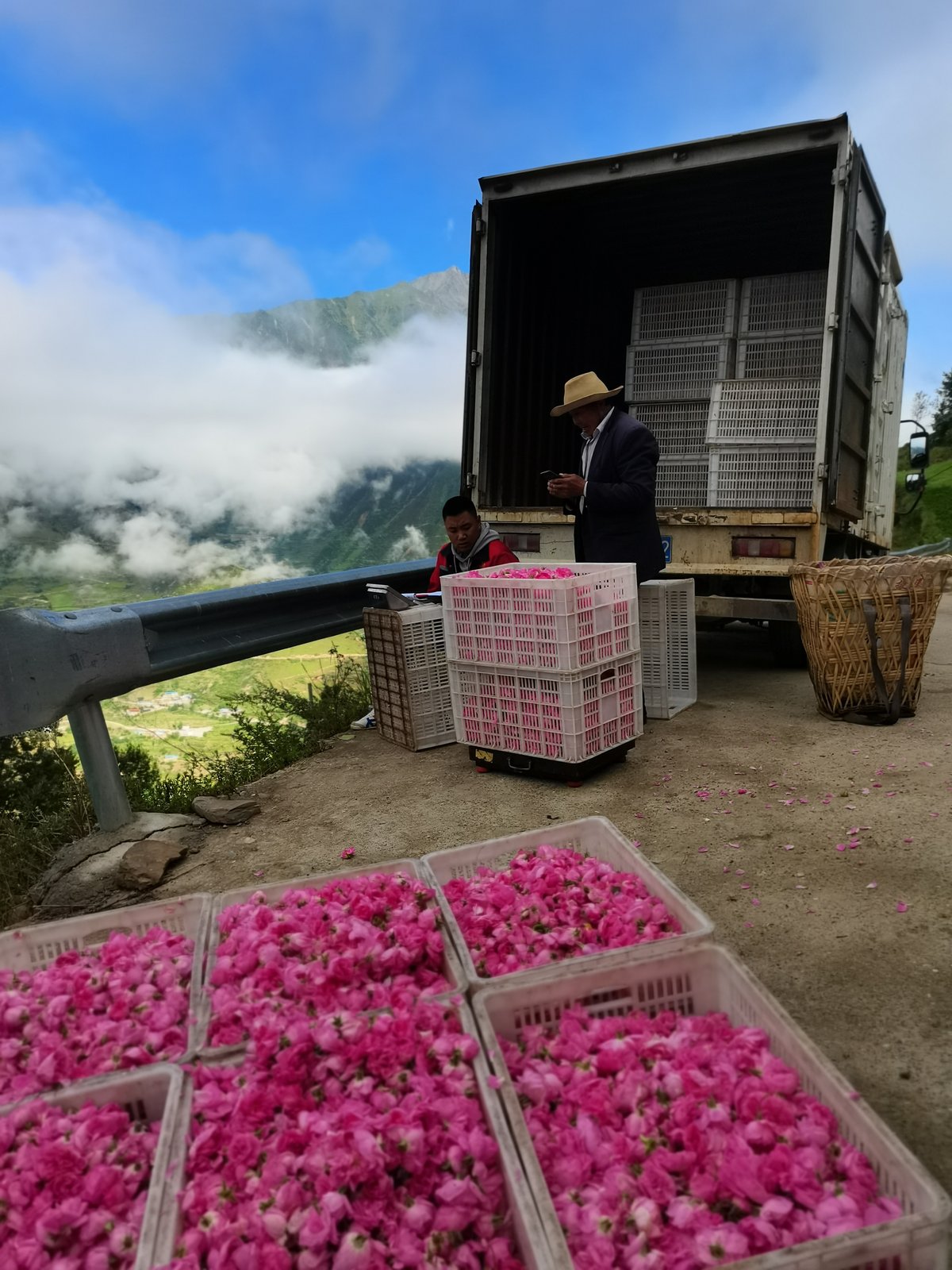
Freshly half-open Damascus roses picked at dawn, entering processing within 4 hours to ensure the freshest raw materials.
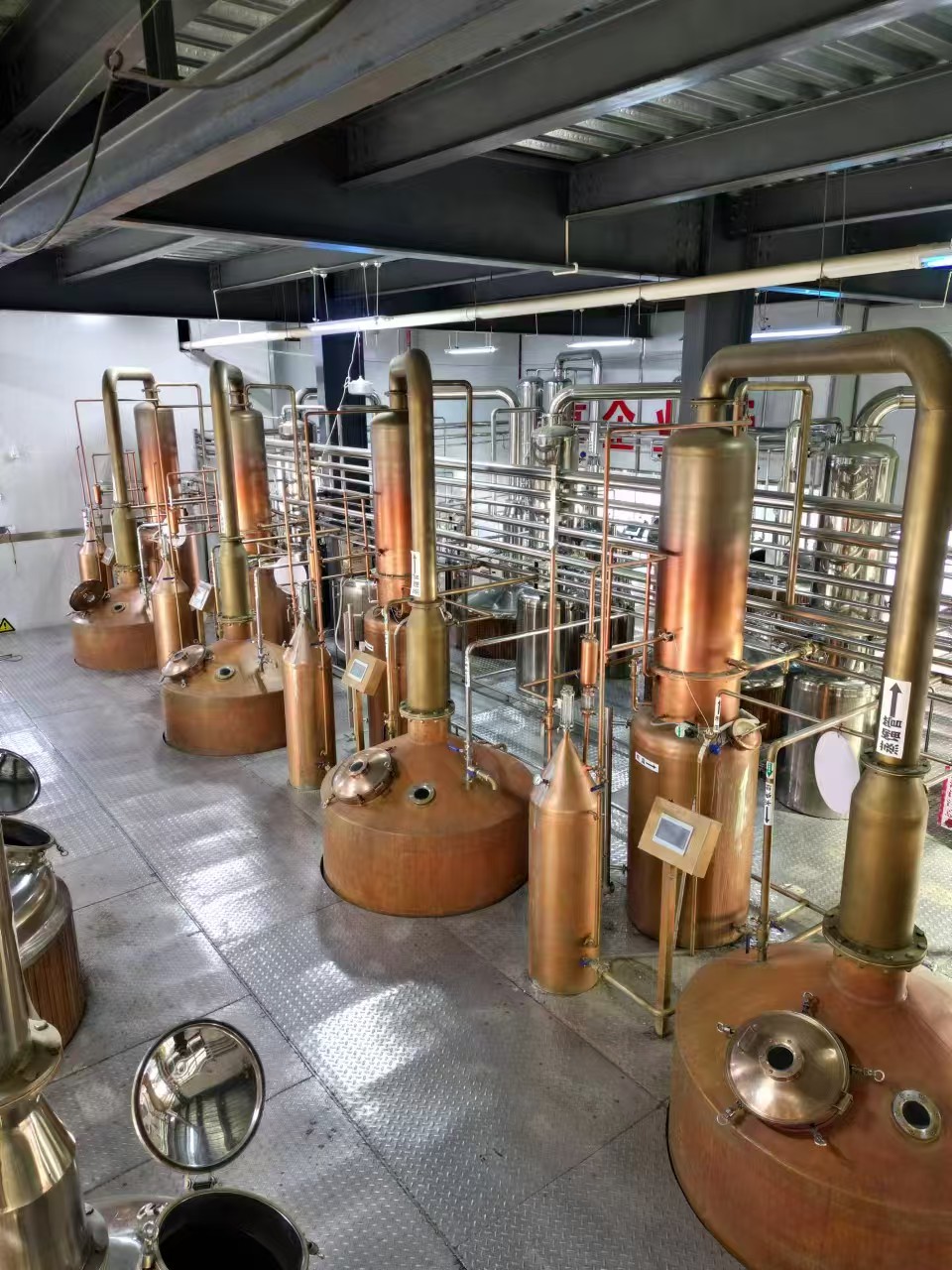
Using purple gold copper pot stills with excellent heat conductivity for pure physical extraction, preserving the rose's original fragrance.
Cold water circulation condensation system precisely separates rose essential oil and hydrosol, ensuring pure quality.
Third-party lab testing ensures heavy metals, pesticide residues, microbes, and potency all meet standards.
Disclaimer: The following are media excerpts for reference only and do not constitute company commitments.
Xinhua, People's Daily, CCTV, Science Daily, China News Service and other mainstream media have continued to cover Jinshan Rose and the Xiaojin rose industry.China News "Beautiful China Tour" reports on Chen Wanghui's legendary story of discovering wild roses 16 years ago after wild boars rooted the land, launching the Jinshan Rose industry that now spans 15,000 mu and enriches 20,000 people.
Science Daily reports on Xiaojin County achieving ecological protection and rural revitalization through high-altitude rose planting, building the world's highest contiguous rose planting base at over 2,600m elevation.
Cover News reports Xiaojin Rose essential oil content reaches 0.036%, known as "Plateau Liquid Gold," with 30+ products developed, actively expanding into the Middle East market and applying for EU organic certification.
Xiaojin County has developed a complete industry chain from planting to processing and agritourism. 30+ products are sold nationwide and exported to Japan, South Korea, and Bulgaria, with tech innovation boosting yield by over 30%.
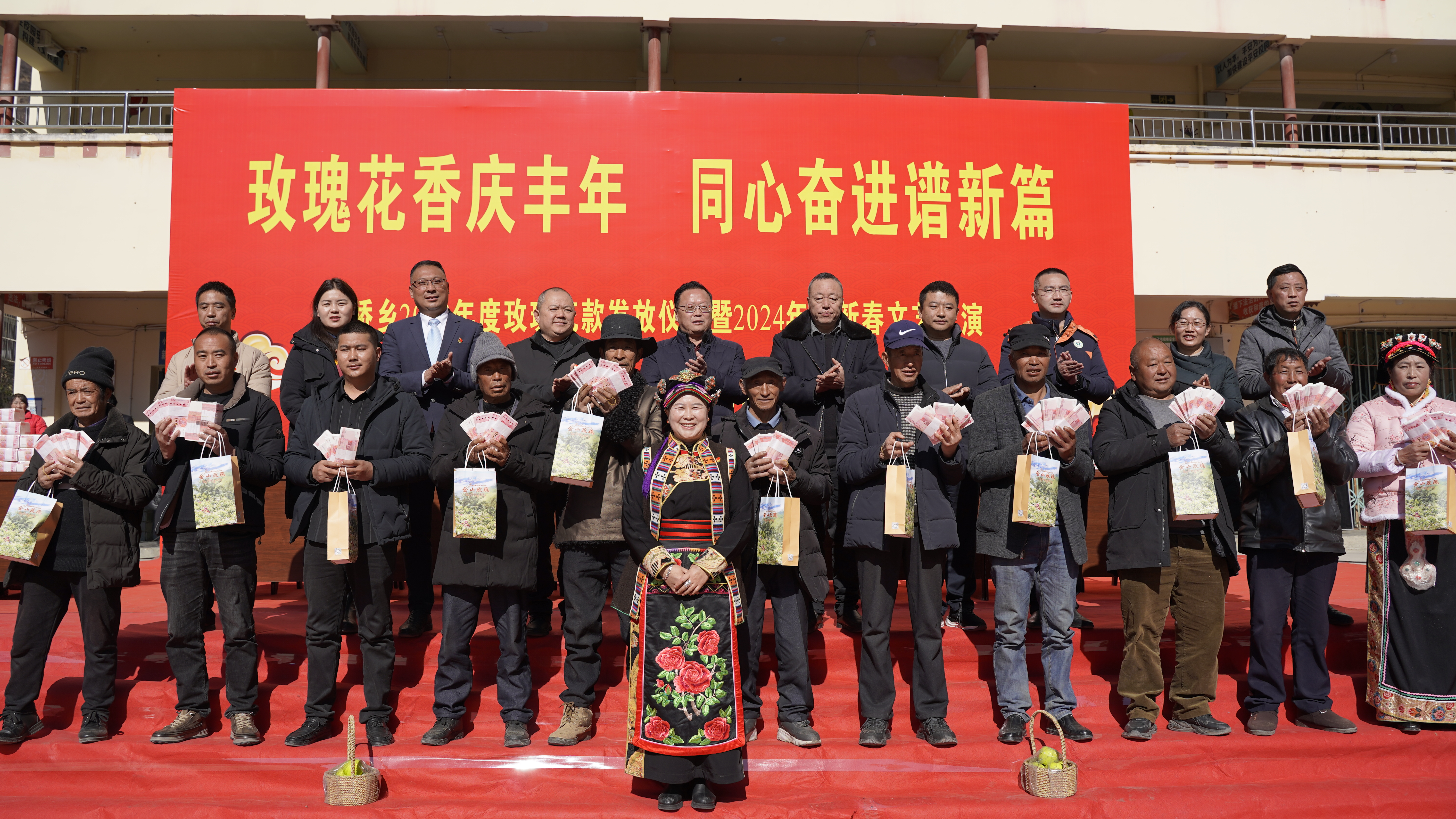
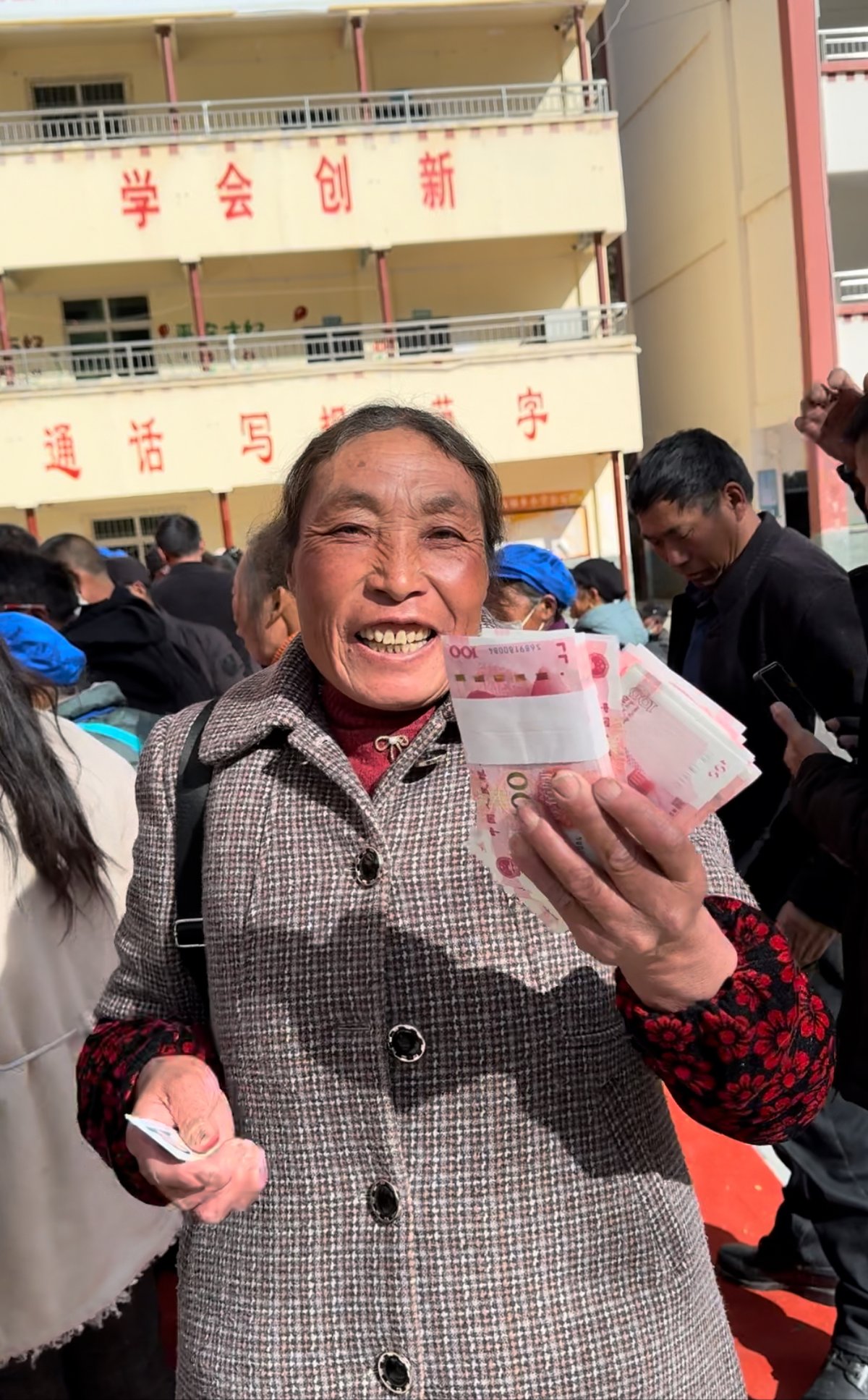
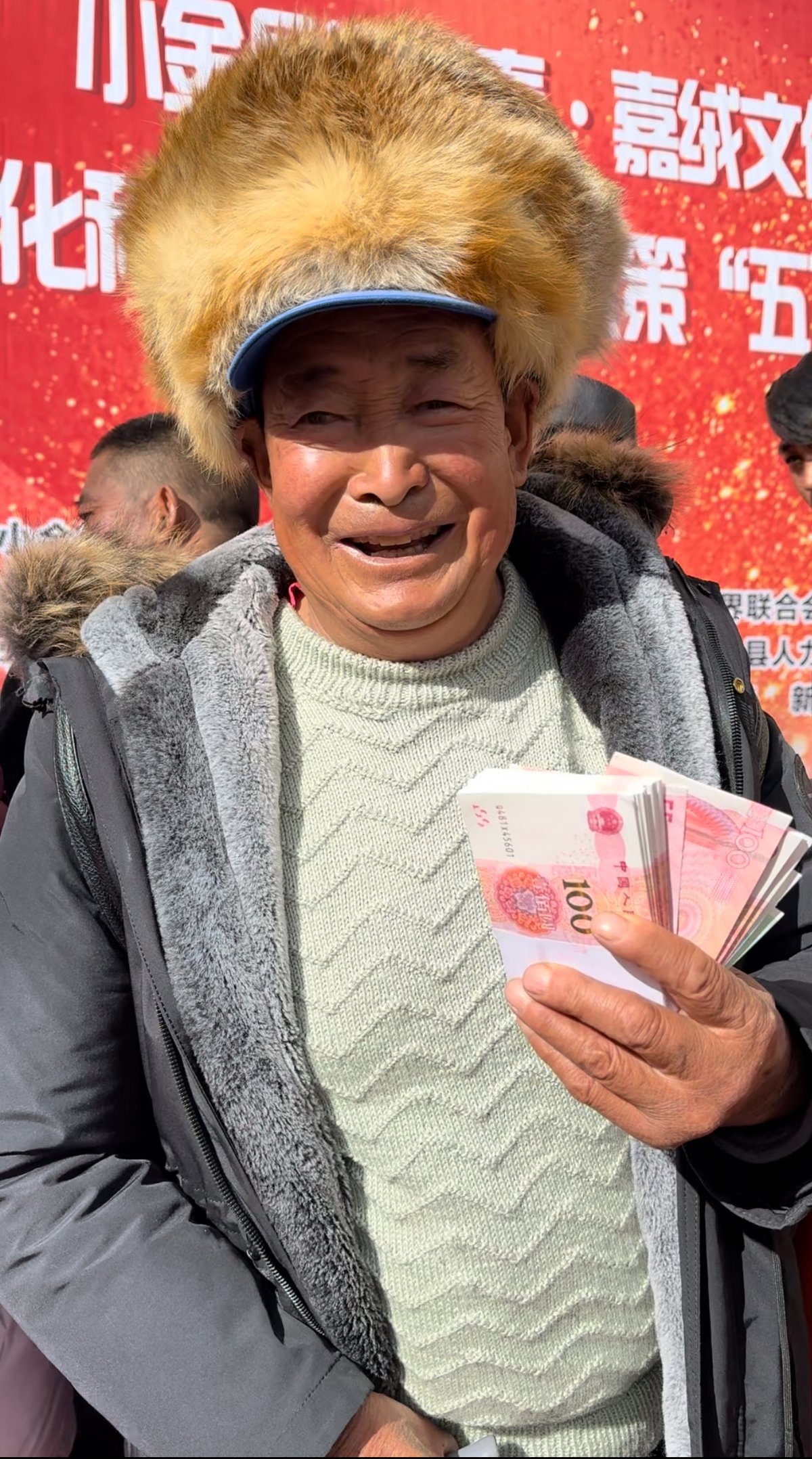
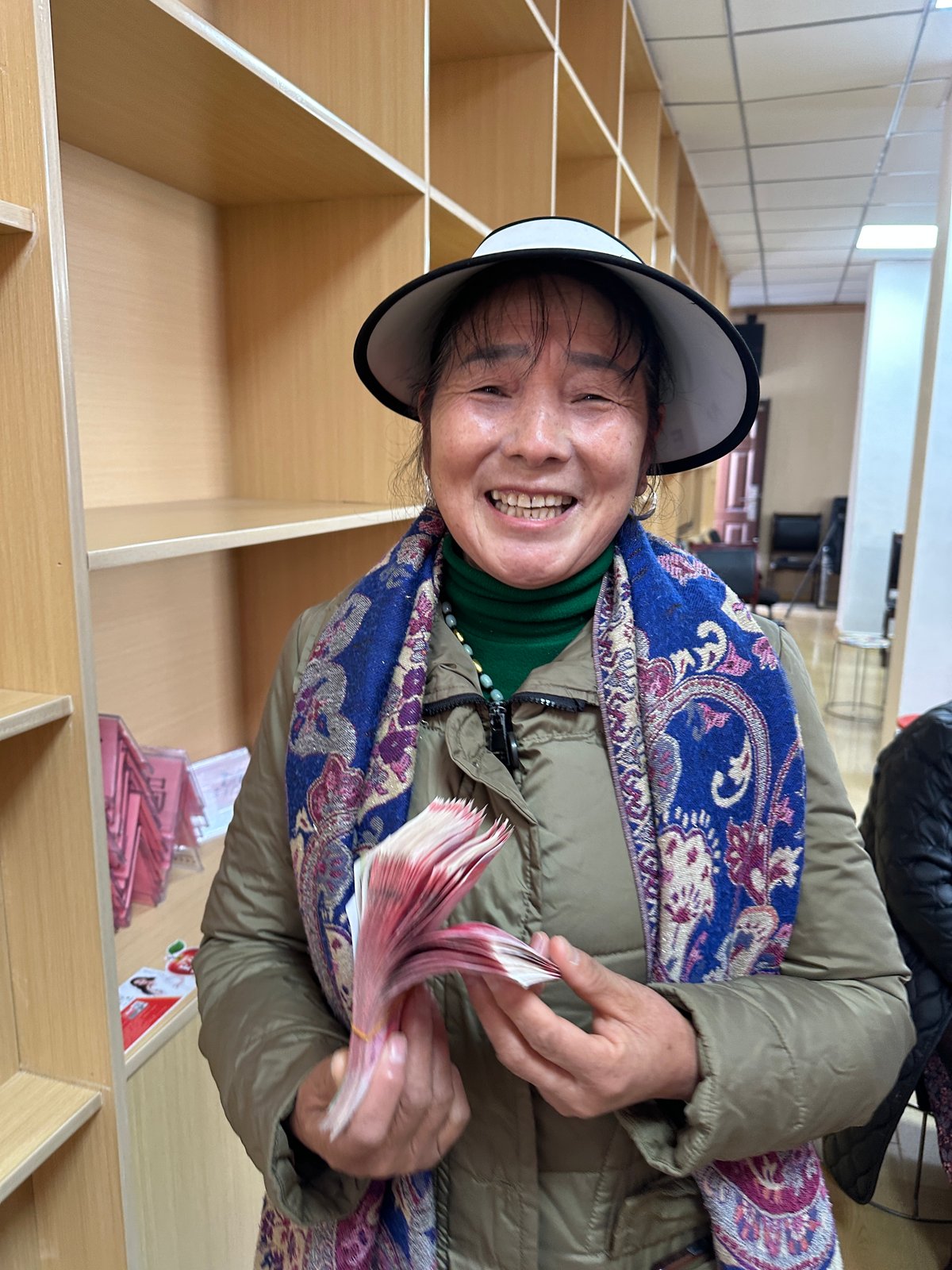
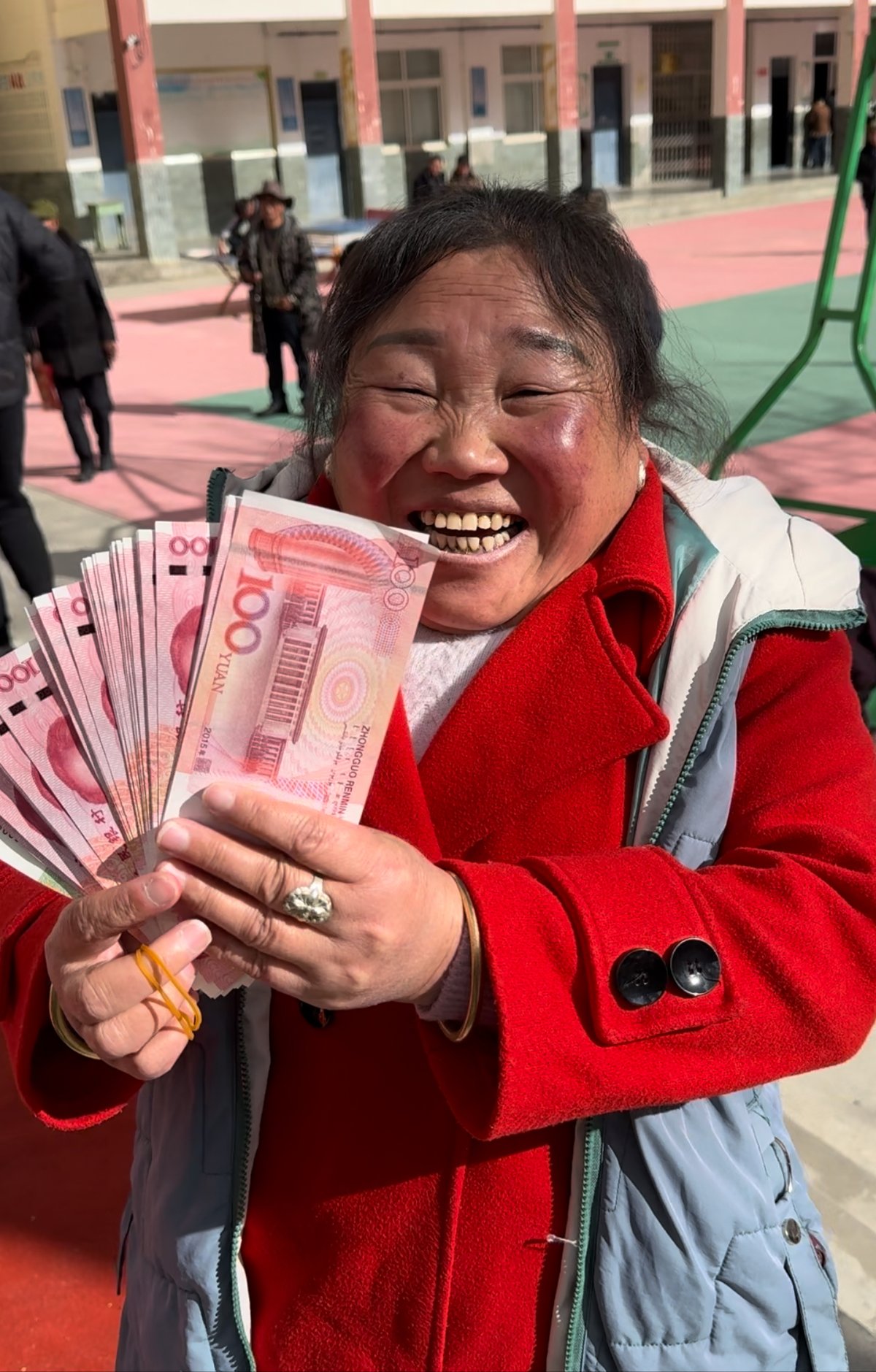
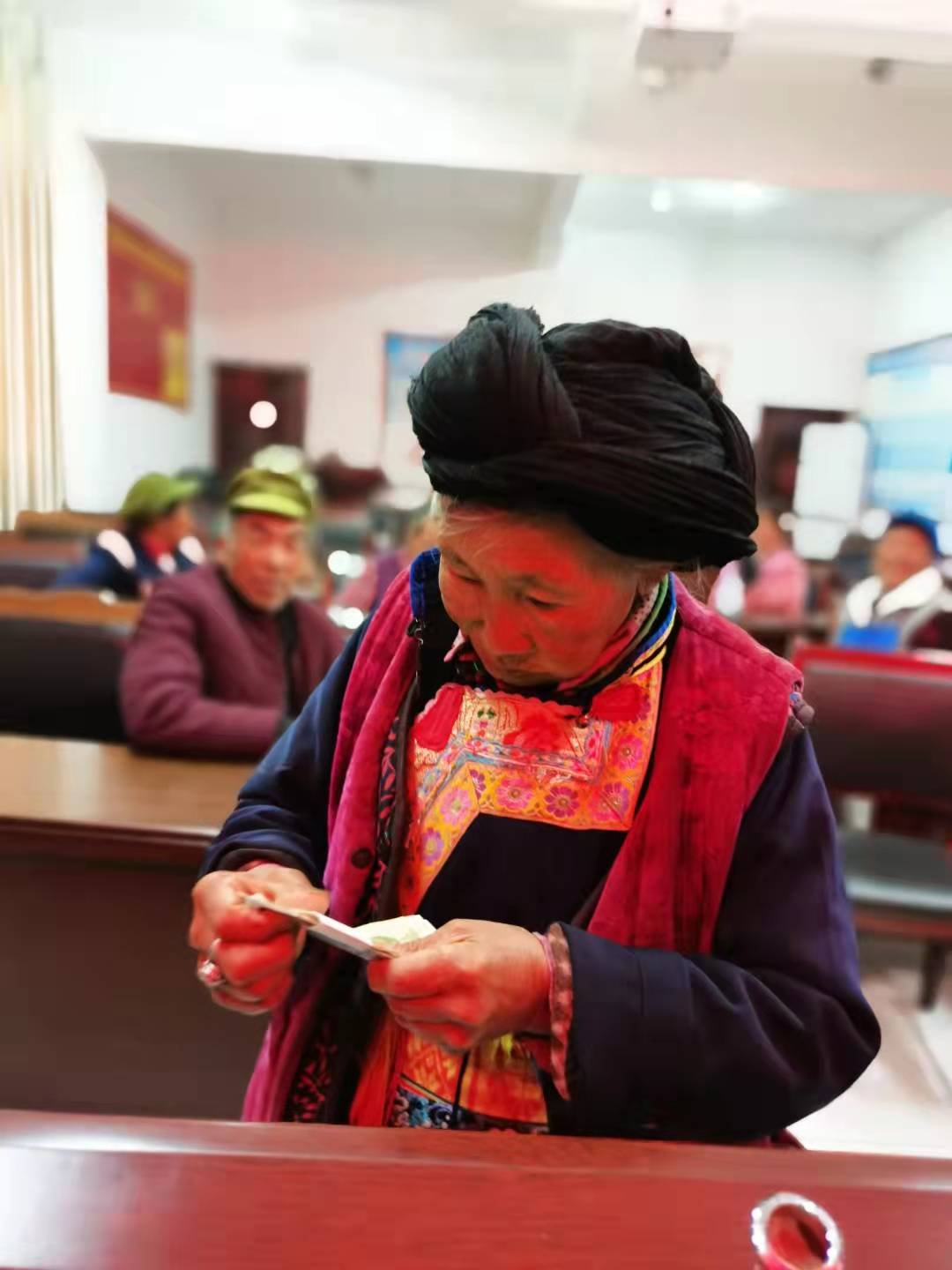
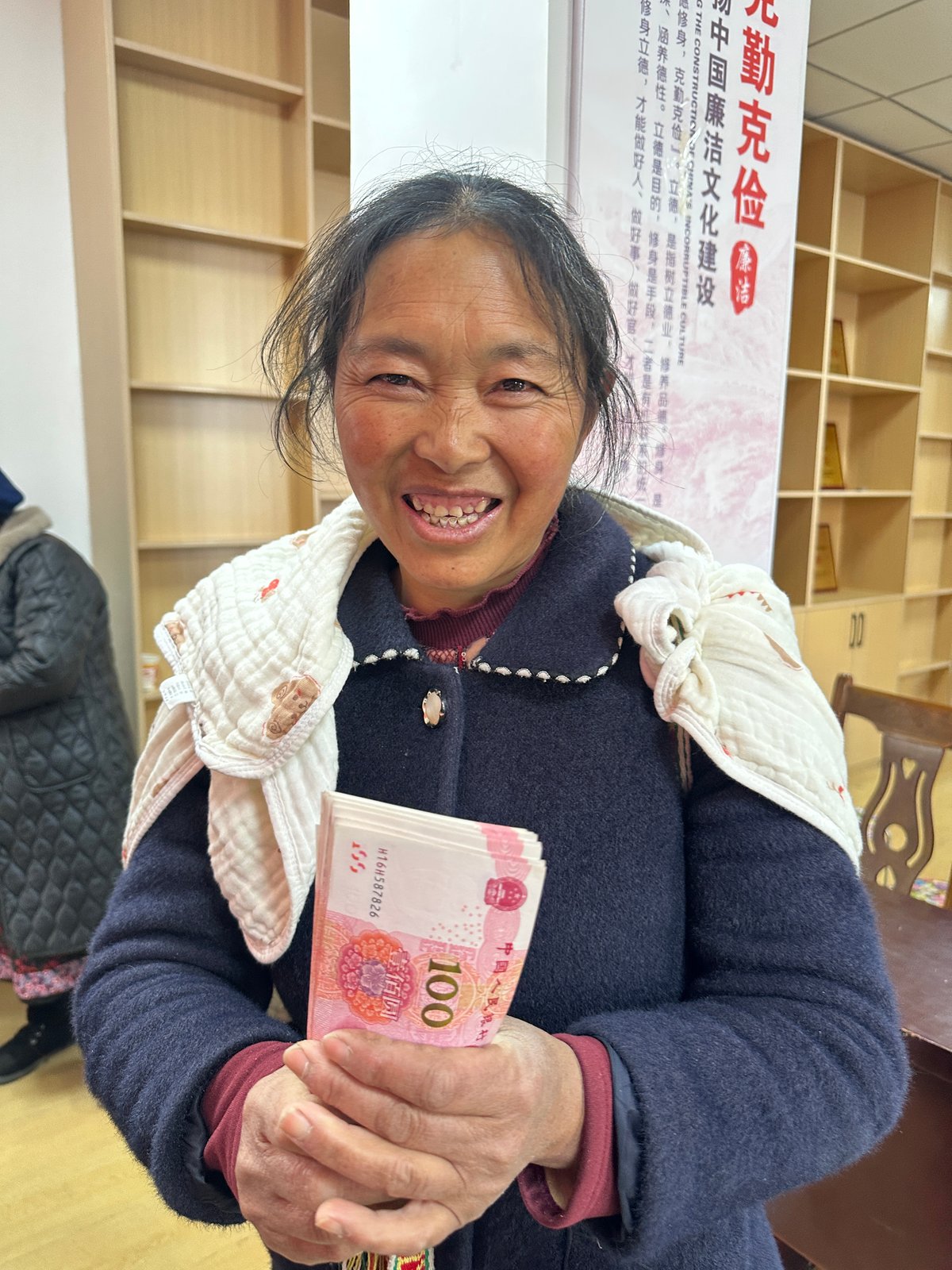
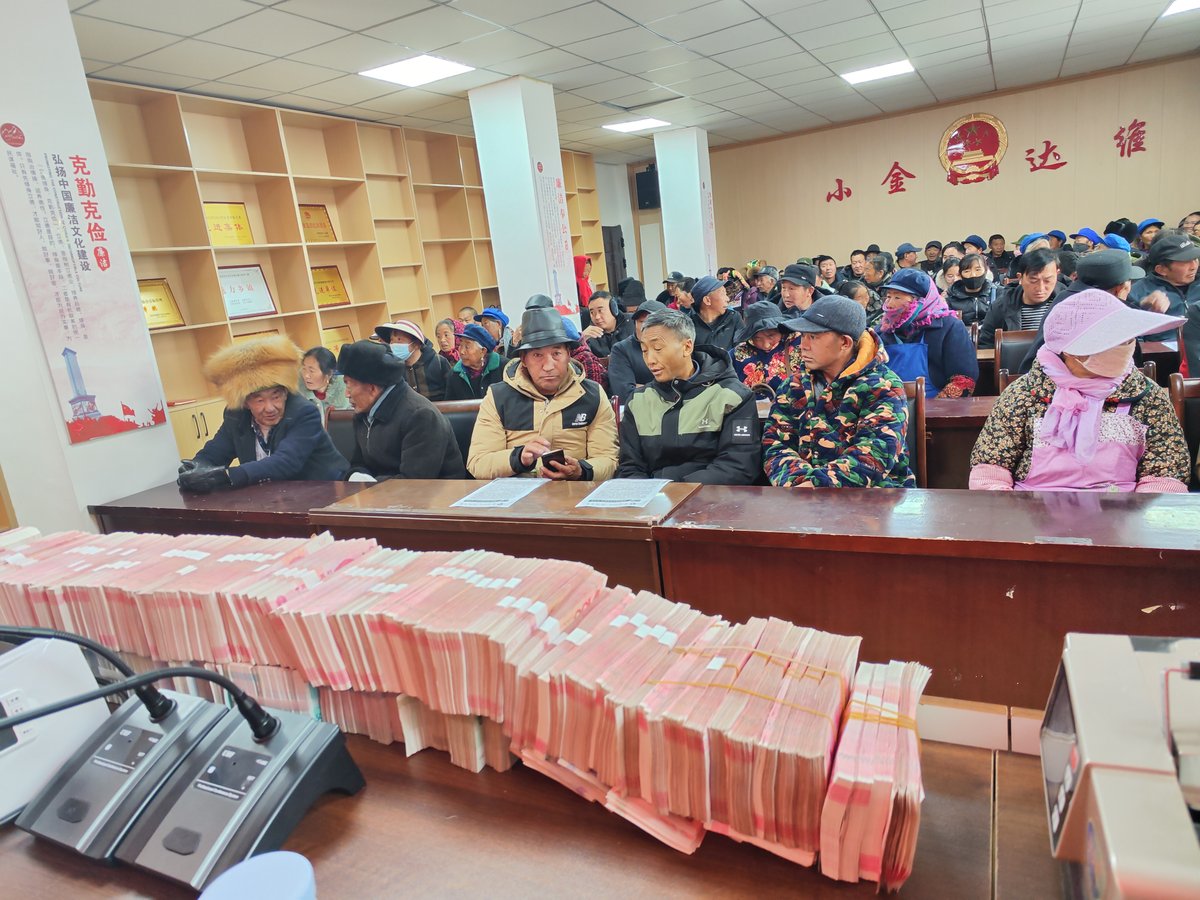
In January 2026, the 2025 rose purchase payment distribution ceremony was held in Xiaojin County, with 2.6 million yuan distributed to farming households.
Xiaojin County's rose processing workshop processes over 1,820 tons of fresh flowers annually, generating 8 million yuan in revenue in 2024.
Xiaojin County integrates culture and tourism with the rose industry, forming a full chain of planting, processing, sales, tourism, and education, lifting over 3,300 farming households' annual income by more than 10,000 yuan each.
China Net reports that Qingduoxiang received 820,000 yuan in tax reductions, enabling advanced equipment upgrades and production line optimization, with annual output value exceeding 70 million yuan.
Sichuan Daily reports on the 2024 rose purchase payment of 18.7 million yuan distributed before Spring Festival, with cumulative payments to flower farmers exceeding 100 million yuan. Products are exported to Japan and South Korea.
Sichuan Observer reports on Maoshui Village's study tourism program based on Long March culture, green ecology, and plateau rose industry, with 4,000+ participants generating 300,000+ yuan for the collective economy.
Xiaojin Rose essential oil was exported to Bulgaria for the first time (1,000g), completing the first post-pandemic export to the EU. Both sides agreed on a framework to jointly promote the international rose oil market.
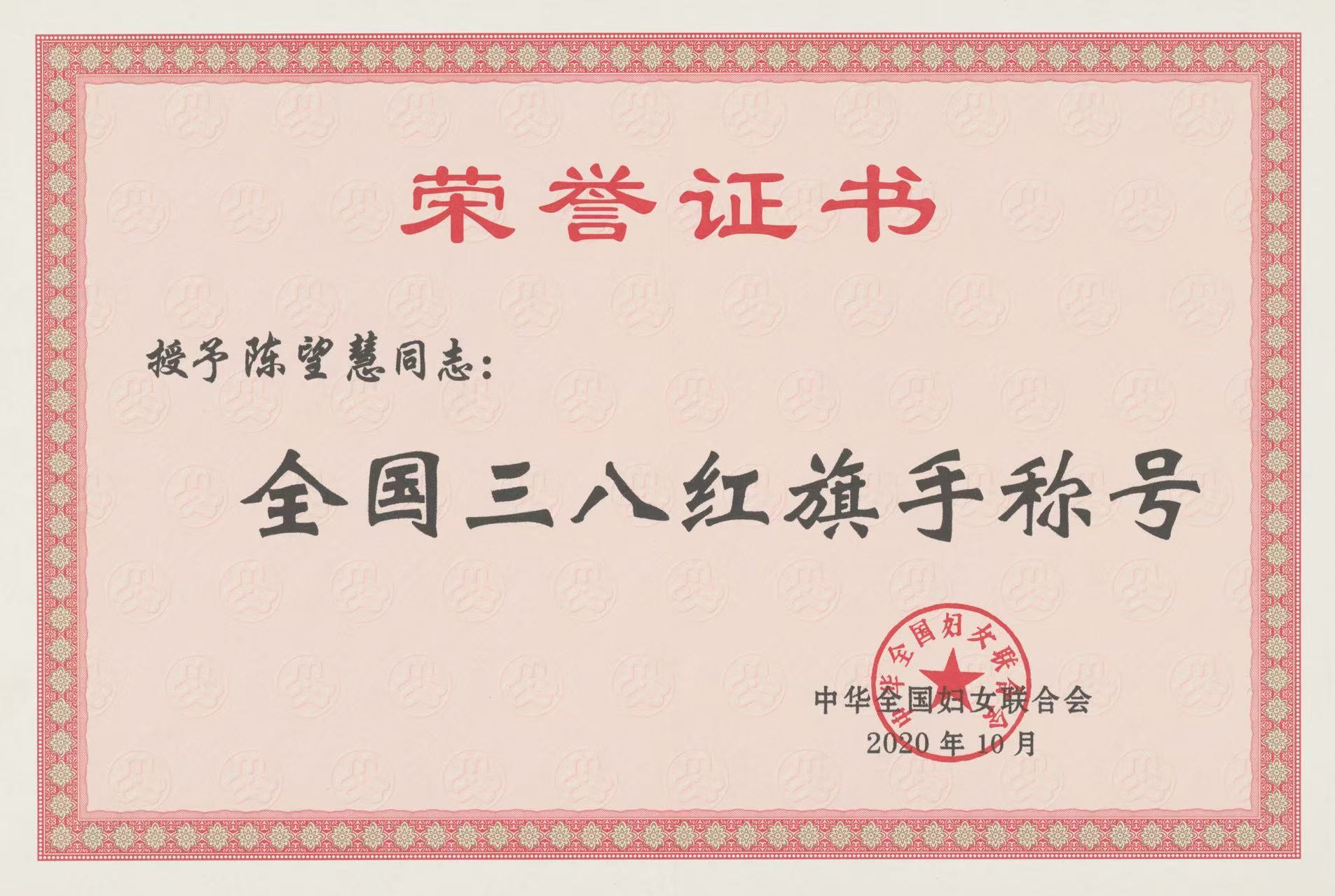
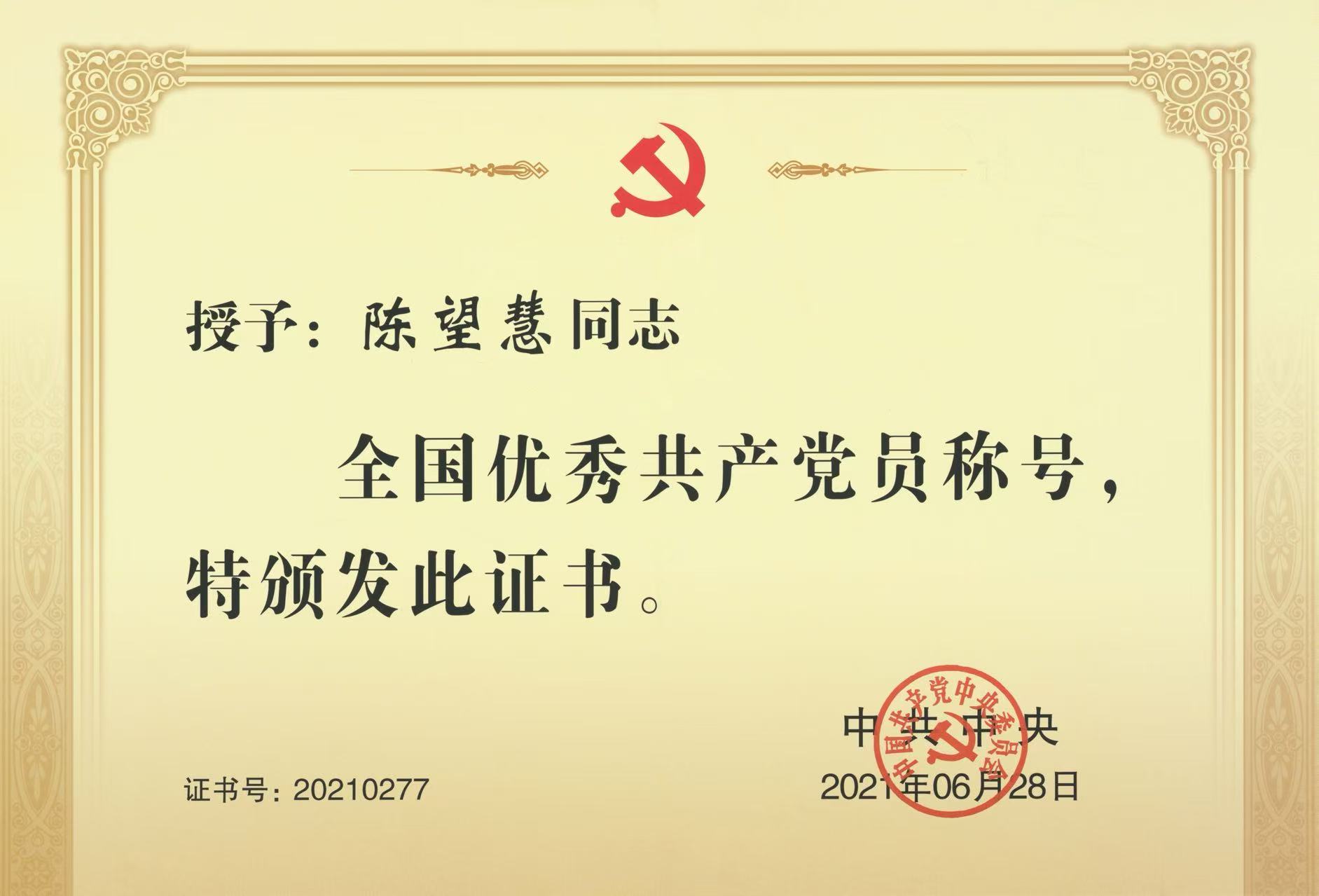
Xinhua News Agency feature coverage of Chen Wanghui's honored moment as a delegate to the 20th CPC National Congress, telling the moving story of how she led villagers to grow roses and escape poverty.
People's Daily published a special report on the 20th CPC Congress delegate, focusing on Chen Wanghui's practice and vision of promoting rural revitalization through the rose industry.
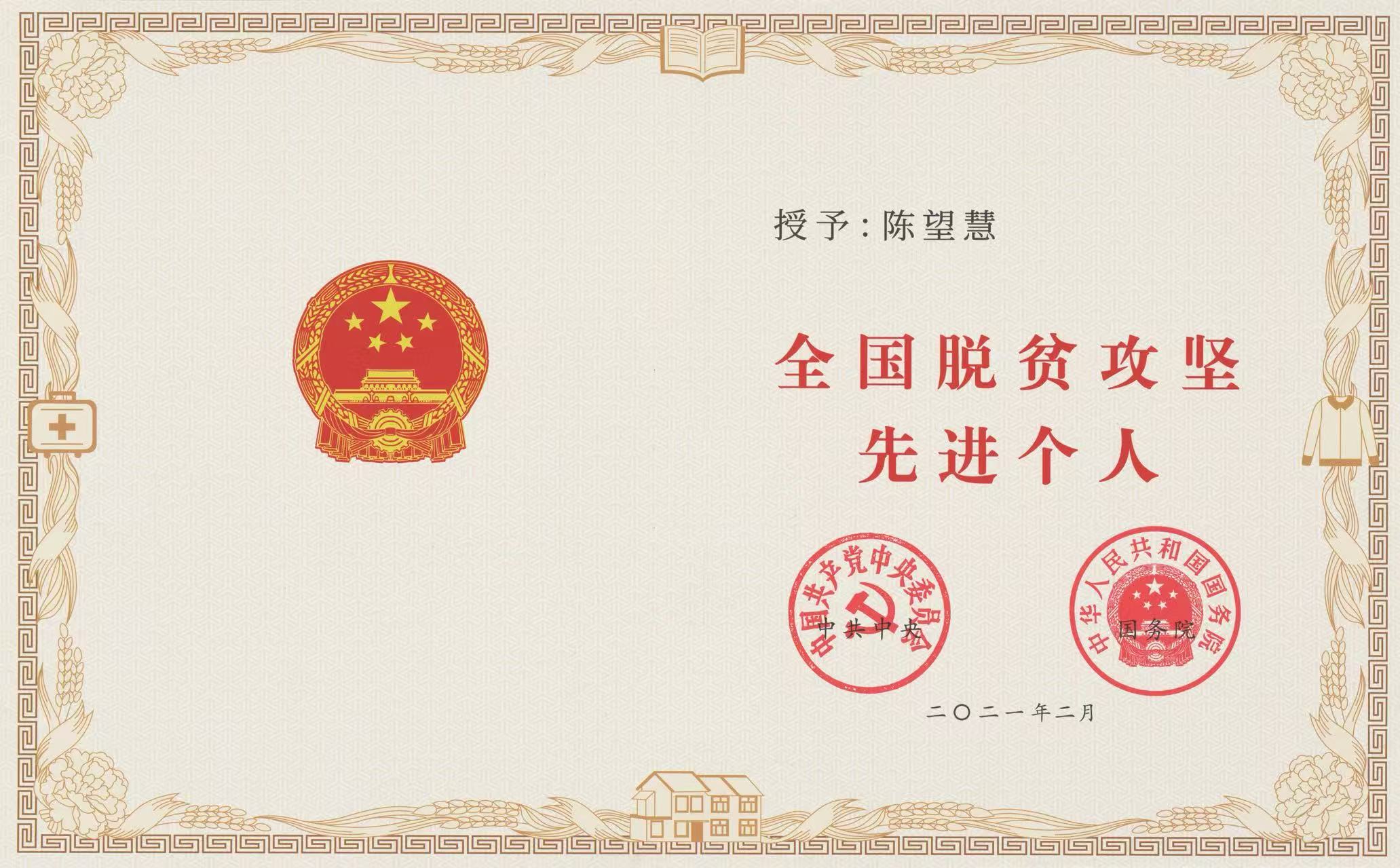
CCTV coverage of the National Poverty Alleviation Summary and Commendation Conference, where Chen Wanghui was recognized as an Advanced Individual for driving poverty alleviation through the rose industry.
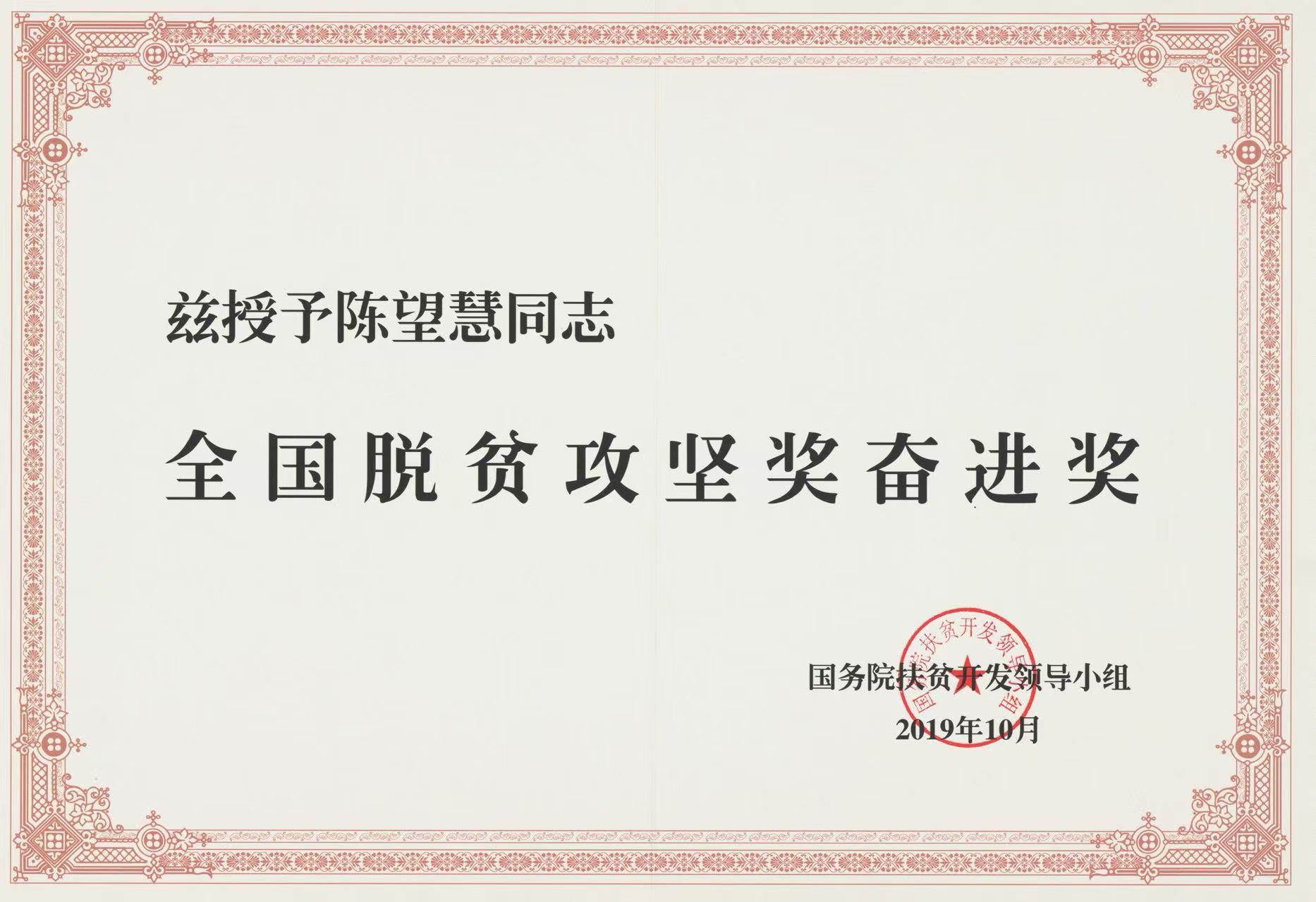
The 2019 National Poverty Alleviation Awards were announced, and Chen Wanghui received the Endeavor Prize for her outstanding work leading villagers to prosperity through rose cultivation.
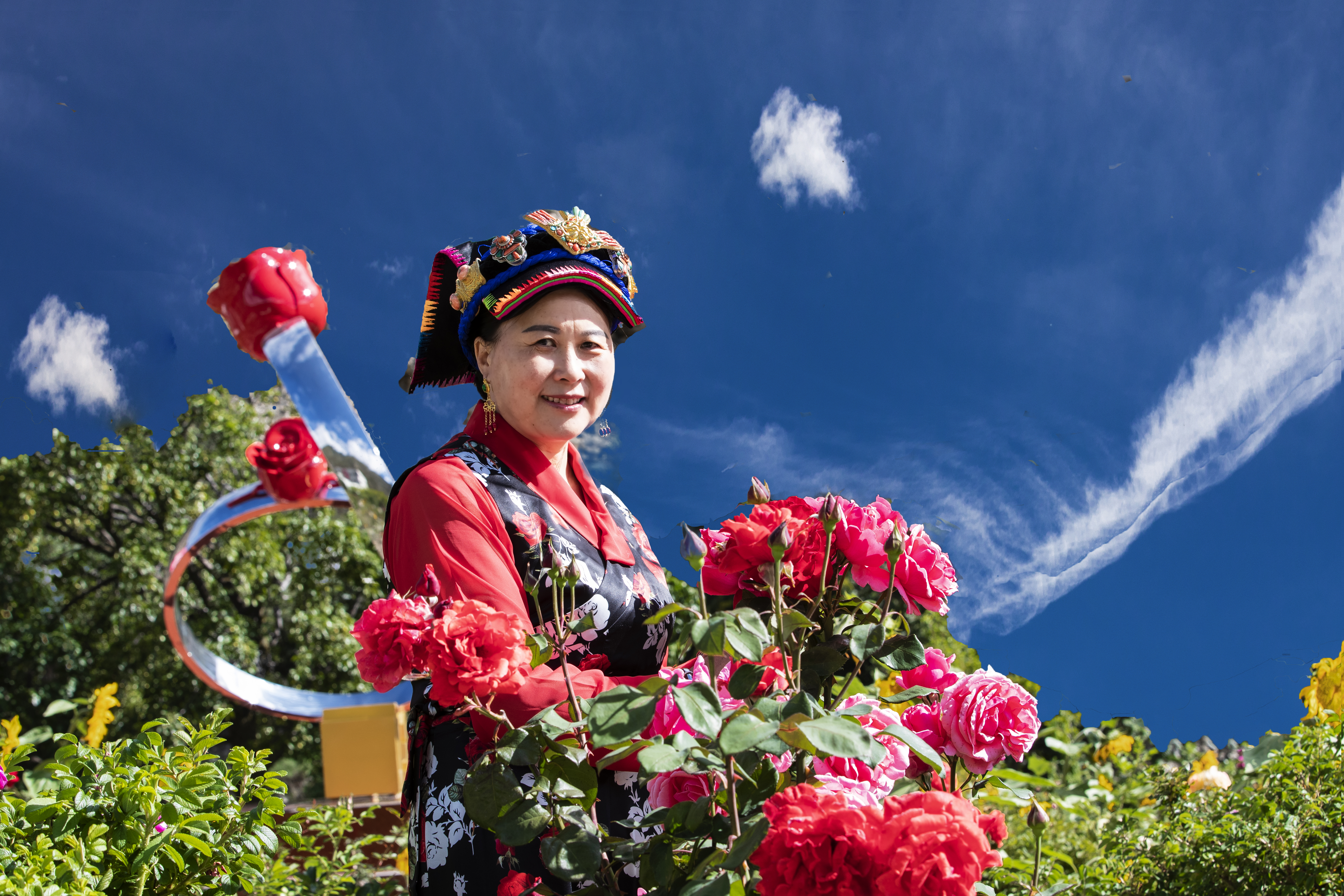
"A rose dream born from a wild boar — let roses truly become flowers of prosperity and happiness for our people!"
In June 2011, the terraced fields of the mountain's second group in Maoshui Village were destroyed by wild boars. Chen Wanghui and villagers went up the mountain to survey the damage and noticed a wild rose bush with two blooming flowers at the edge of the field. A sudden inspiration struck: roses are covered in thorns — wild boars won't touch them. Growing roses might solve the villagers' livelihood problems!
And so, the dream of rose cultivation was sparked by a wild boar. She introduced Damascus roses to the Western Sichuan Plateau and embarked on a lifelong journey with roses. Through the challenges of seedling cultivation, persuading villagers to plant, teaching techniques, and building essential oil processing facilities, sixteen years of perseverance finally blossomed into success.
Today, over 20,000 people (3,700 households) across Xiaojin County follow her lead in growing Damascus roses. Villagers' incomes have increased five to ten times, with the rose industry playing a remarkable role in driving income growth.